Practical help without judgement
Supportive Cleaning After Difficult Periods
Cleaning support for homes affected by depression, overwhelm, bereavement or periods where normal household tasks have become difficult.
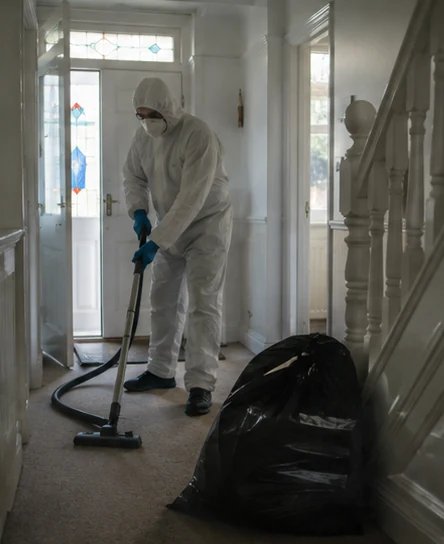
Cleaning support for homes affected by depression, overwhelm, bereavement or periods where normal household tasks have become difficult.
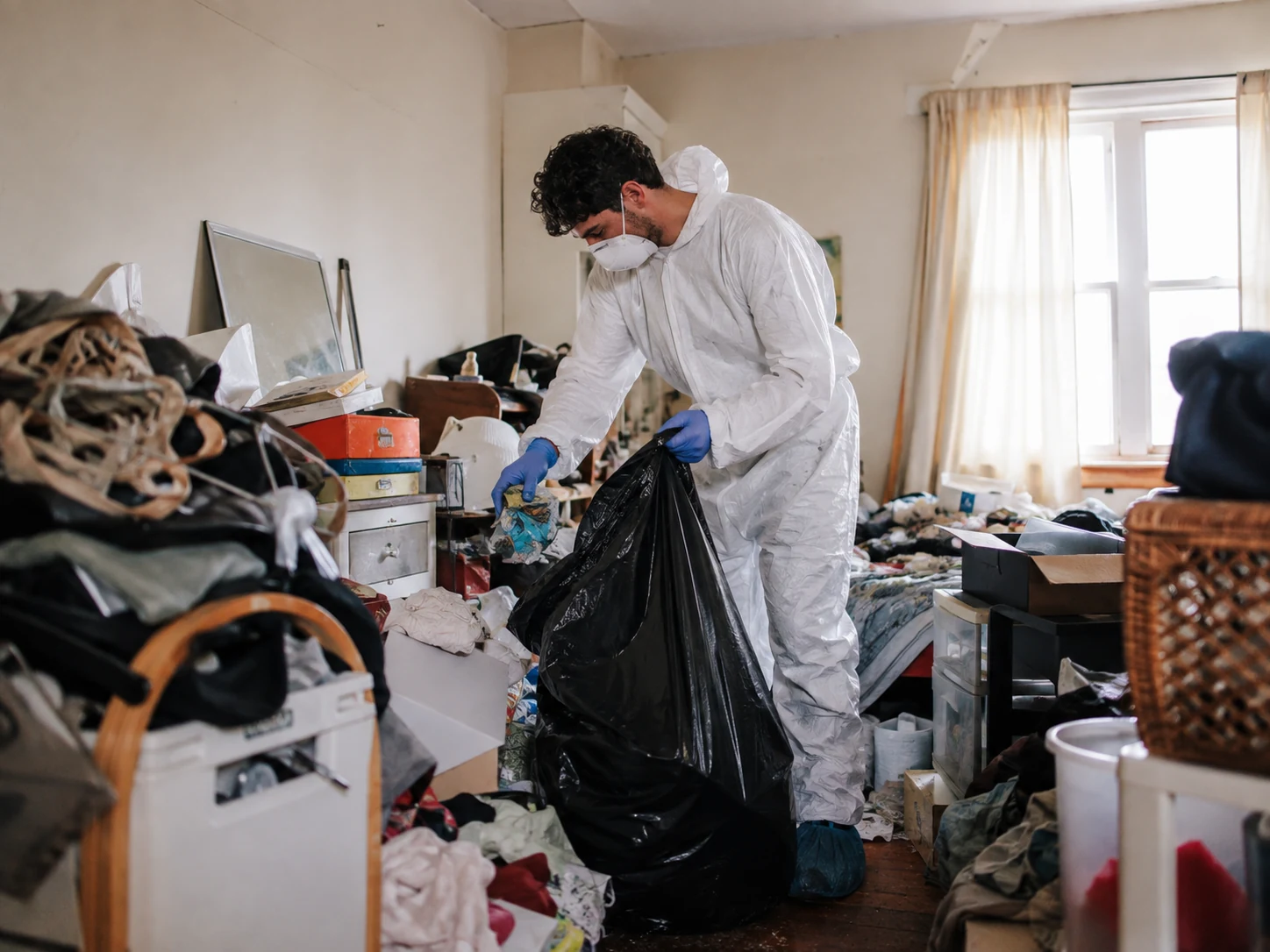
Some properties become difficult to manage after bereavement, illness, stress, depression or another disruptive period. Our supportive cleaning service focuses on the practical condition of the home without making assumptions about the person or turning the enquiry into a diagnosis.
The work can start with the most useful outcome—such as restoring a bedroom, clearing a route to the bathroom or making the kitchen usable—then continue in stages if that is more manageable.
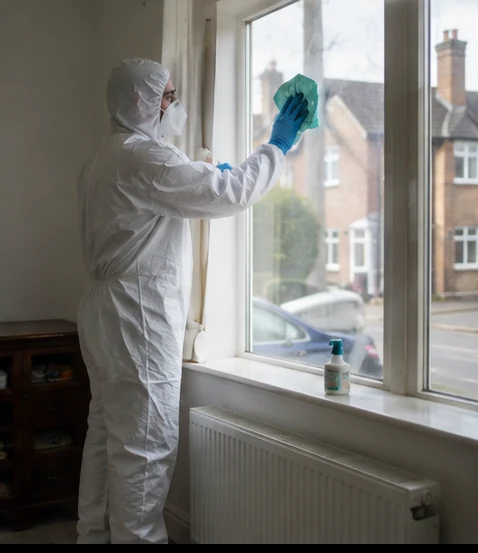
When a home has become difficult to manage after bereavement, illness, stress, depression or another disruptive period, the most useful first goal may be very practical: a usable bed, a clear hallway, a working kitchen or a clean bathroom.
Our role is to help with the property condition, not to diagnose the person. The work can be limited to one area or expanded in stages, depending on what feels manageable and what the client wants to achieve.
Detailed answers about pricing, photos, belongings, timescales, access and responsible clearance.
There is no responsible fixed price for every property. Cost depends on the number of affected rooms, the volume and type of items, how much must be retained or reviewed, access and parking, the cleaning level required and how many people are needed. Sending the postcode and clear photographs usually gives us a much better starting point. For larger or more complicated properties, an on-site assessment may be needed before a final written scope is agreed.
Yes. Wide photographs of each affected room, plus hallways, stairs and the entrance, are often the quickest way to start. They help us understand the scale of the clutter, available working space and access. Photos do not always replace a visit, but they can make the first conversation much more useful and reduce unnecessary back-and-forth.
No. A controlled hoarder cleanup should separate what is to be kept, reviewed, donated or removed. If the property is occupied, the client or authorised decision-maker should be clear about what may leave the home. Important paperwork, photographs, keys, medication, valuables and sentimental possessions deserve deliberate attention rather than bulk disposal.
Yes. The person arranging the work does not always live at the property. We can structure the enquiry around an authorised relative, landlord, property manager, executor or other representative, provided access and removal instructions are clear. This is especially useful for inherited homes, tenancy changes and properties being prepared for sale.
Yes. Hoarder room cleaning can focus on a bedroom, kitchen, bathroom, hallway or living room. In some cases, restoring one essential room or a safe route through the property is a more practical first step than attempting the whole home at once.
Hoarder cleanup usually includes sorting, restoring access and removing agreed unwanted items before detailed cleaning can begin. Blitz cleaning is the intensive cleaning stage used when floors, worktops, sanitary areas and other surfaces are accessible. Some jobs need both services; others need only one.
It depends on the property and the level of decision-making involved. A single room may be completed relatively quickly, while a heavily affected home can require several days or staged visits. Jobs often take longer when belongings must be reviewed carefully, access is difficult, or cleaning needs become visible only after clutter is removed.
Not necessarily. Some jobs can be arranged through an authorised person, key holder, landlord or property manager. What matters is that access is properly arranged and there are clear instructions about what can and cannot be removed. For sensitive sorting decisions, having the resident or an authorised decision-maker available can be helpful.
No. We provide practical property cleaning, decluttering and clearance; we do not diagnose or treat mental health conditions. The NHS explains that hoarding disorder is a mental health condition and recommends speaking with a GP or mental health specialist when appropriate. You can read the NHS guidance on hoarding disorder. Practical cleaning support can sit alongside professional health support, but it is not a substitute for it.
If a private business removes household waste in England, GOV.UK says you should check that the business is registered as an upper-tier waste carrier. Ask what disposal arrangements apply to your job before work starts. You can read the official GOV.UK household waste guidance and check the relevant registration where required.
The most useful details are the postcode, property type, affected rooms, approximate property size, stairs or lift access, parking or loading restrictions, whether the property is occupied, what outcome you need and any deadline. If possible, include photographs and mention any items that must be protected or reviewed before removal.
Yes. Clearance often exposes floors, skirting, kitchens, bathrooms and surfaces that could not previously be reached. Where included in the agreed scope, follow-on cleaning can address dust, debris and general grime so the newly accessible rooms are left in a more usable condition rather than simply emptied.
One room can be enough to create a meaningful improvement in day-to-day use.
The service addresses cleaning and clutter while health support remains with qualified professionals.
The property can be tackled in stages rather than expecting every decision to happen at once.
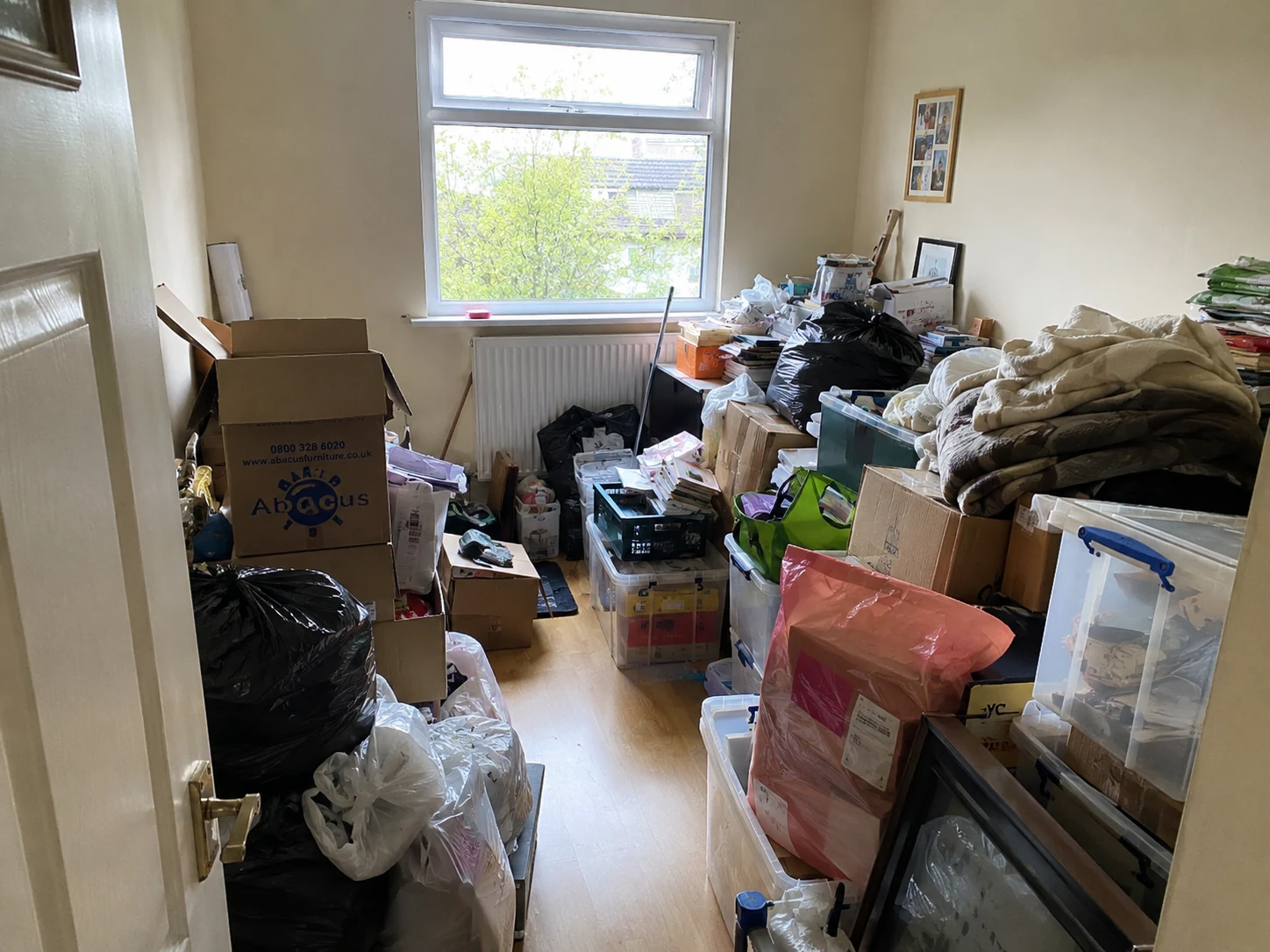 Before
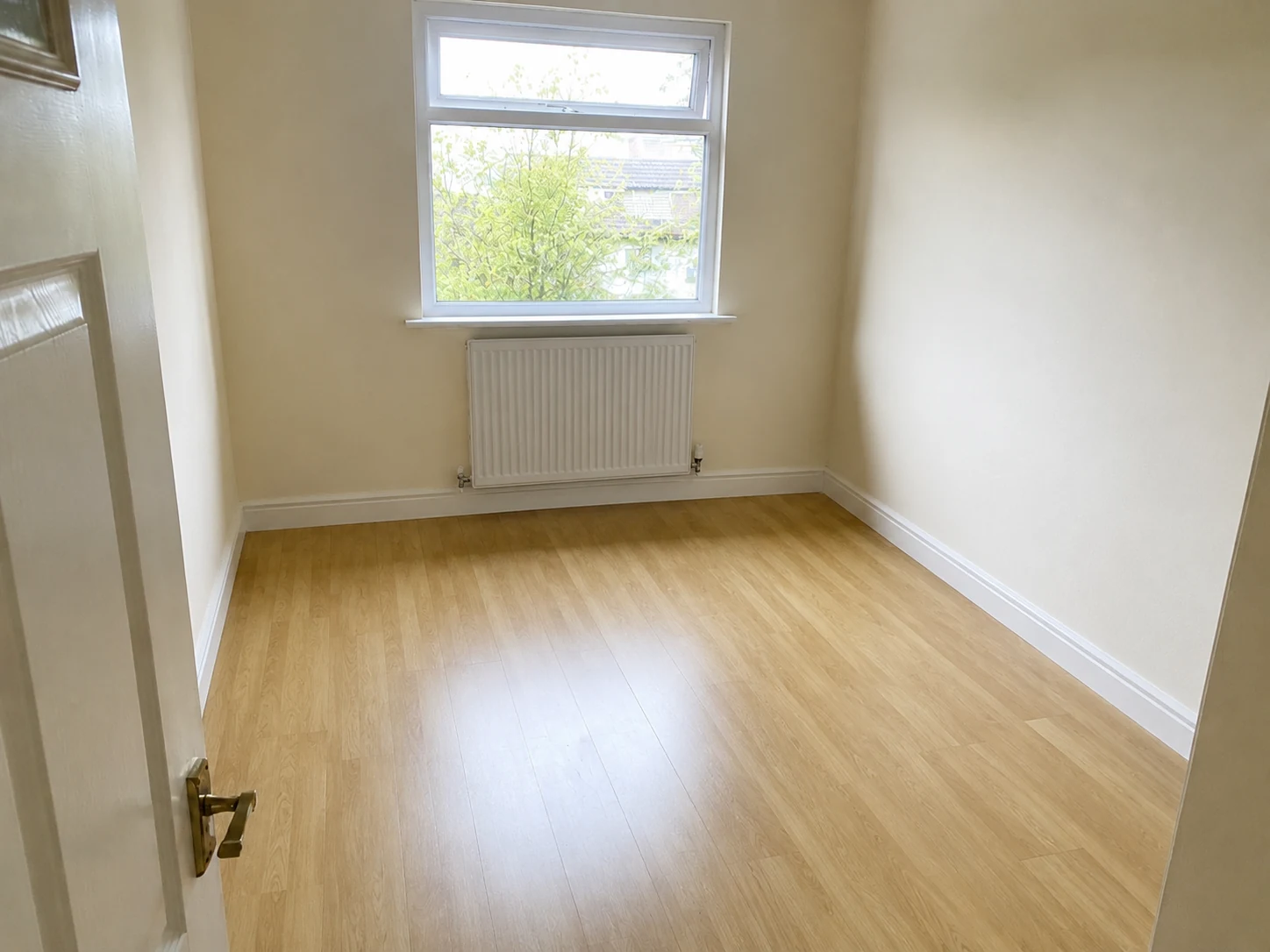 After
AfterThe aim is not cosmetic tidying. It is to restore access, expose surfaces and leave the room in a condition that can be used and maintained again.
Send the postcode, affected rooms and photographs if available. We can start with the practical scope rather than a generic package.
Send the postcode, affected rooms, approximate property size and photographs if available. We will use that information to understand the likely scope and the most useful next step.
 Start with the property details